
 by Hannah
Common Pest Identification Guide
Pest identification is an important step in any pest treatment. While some vermin, like rodents or birds, are clearly not meant to be inside buildings, household insects can be difficult to identify.
If you make a mistake, you could accidentally book pest control services that you don’t need, which may incur a call-out fee.
Additionally, if you can’t distinguish between rats or mice, or other rodents, then your pest control company may need to spend more time identifying the species you’re dealing with before they can start your pest treatment, which could increase the cost you pay.
Flytech has experienced these issues over our many years providing domestic and commercial pest control services across Belfast, Lisburn, Antrim, Newtownards, Bangor, Carrickfergus, Castlereagh, Dundonald, Dunmurry, Ballyclare, Newtownabbey, and throughout Northern Ireland.
That’s why we understand the importance of trying to identify pests, and can help residents across Northern Ireland and the UK to identify vermin from sightings, droppings and other signs. Keep reading this comprehensive pest identification guide to learn more.
Common Household Pest Identification
Every pest is different, and within each pest type there are often multiple different species. These are some key identifying features of each specific group of pests that are commonly found in Northern Ireland and across the UK.
Rats
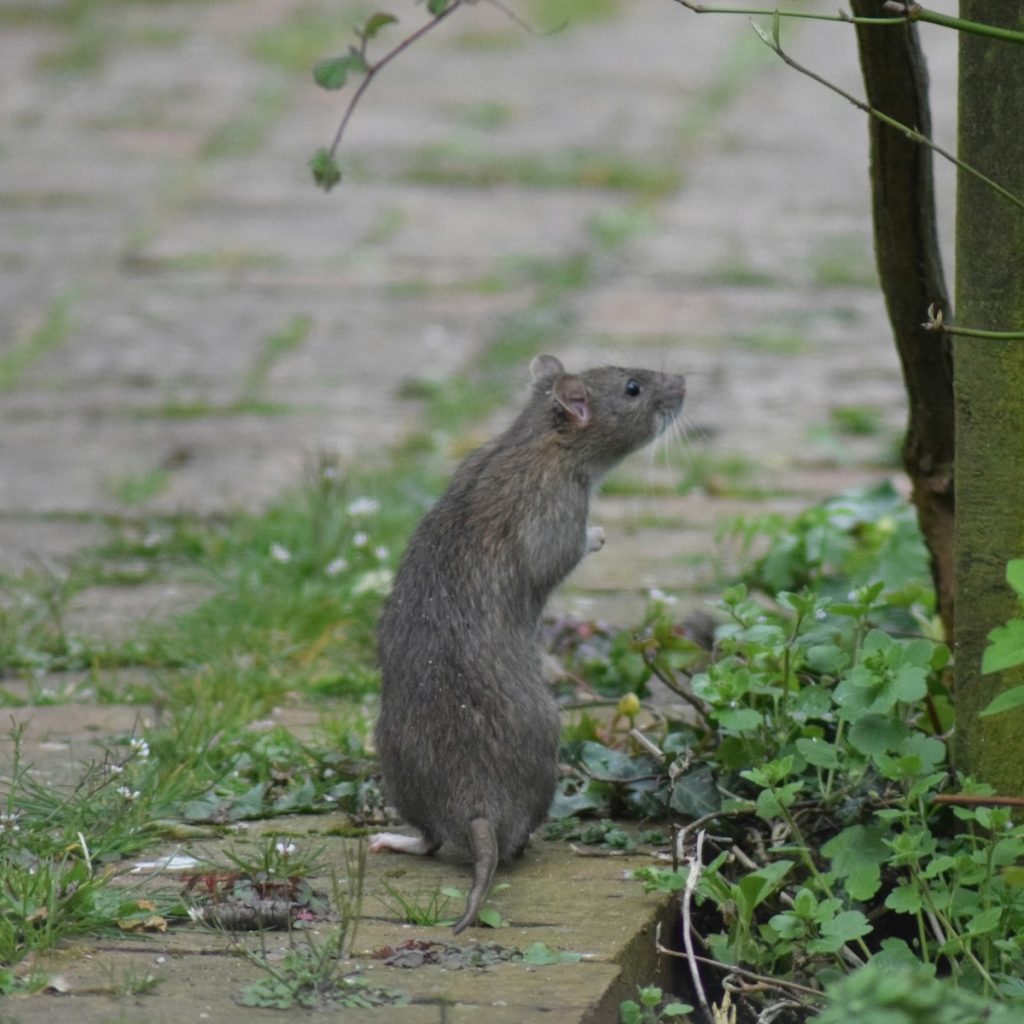
Rats are large rodents, of the Order Rodentia, which is characterised by two pairs of incisors that have no roots and never stop growing. As a result, rats and other rodents have to chew almost constantly, and can leave gnaw marks in beams, furniture, walls, door frames, skirting boards and other parts of your property.
There are 2 species of rats found in the UK. Brown rats are light to dark brown in colour, between 15 to 28 cm in length with a stubby, scaly tail covered in course hairs about half that length. They have small, round ears that sit high on their heads, and a pointed face ending in a blunt snout. Black rats are slightly smaller and sleeker, and have black fur. Whichever rat species you have, professional rat control can reduce the damage caused by these large, destructive rodent pests.
Key Features Of Rats
- Light brown to black in colour depending on the species
- Two pairs of incisors at the front of the mouth that never stop growing
- Furry mammals
- Stubby, scaly tails with course hairs that are around half their body length
- Black Eyes
- Rounded ears set high on the head
Mice
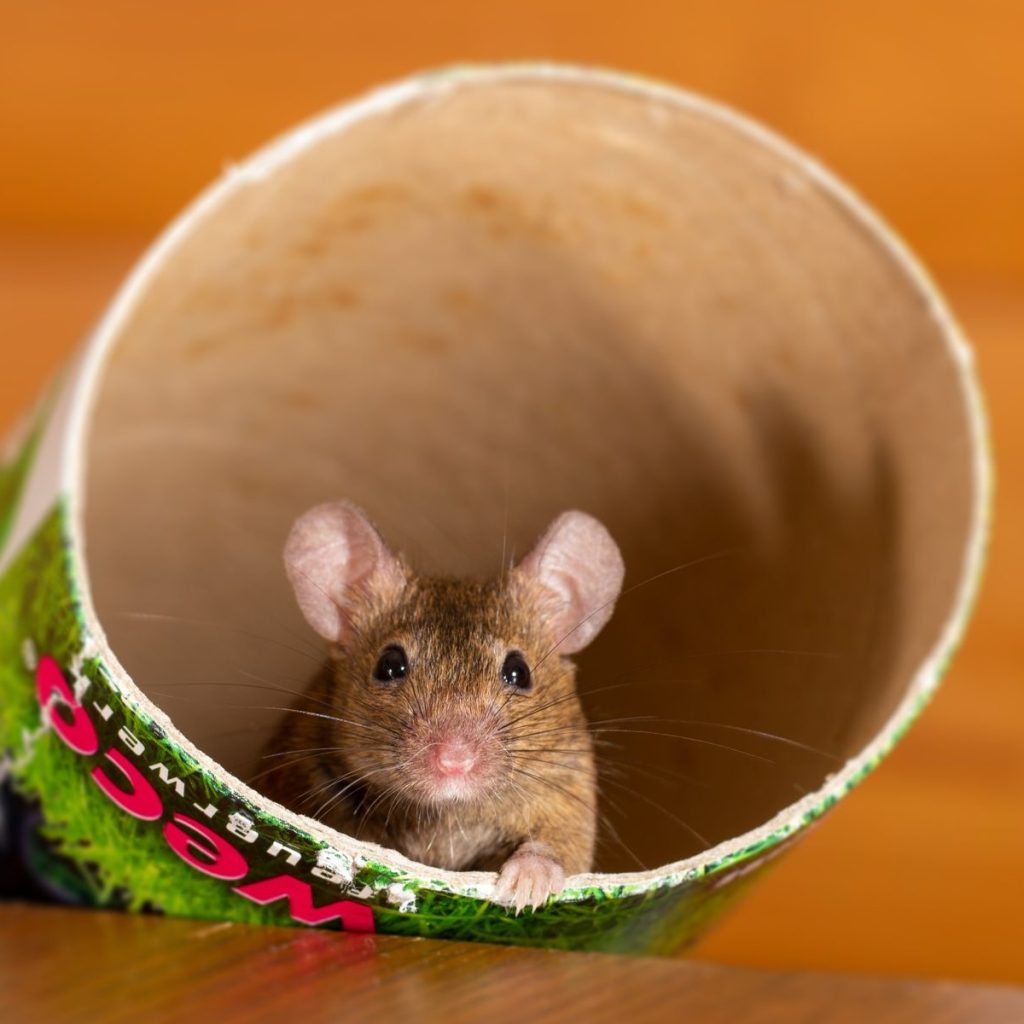
Mice are also rodents, and have similar teeth that need to be ground down to keep them the right size, but their gnaw marks are usually smaller than those of rats. Most mouse species in the UK are much smaller than rats, and the most common mice found in homes and business premises are house mice.
House mice are between 70 to 90 mm in length, with thin, hairless tail that’s often longer than their body. They have rounded ears that sit close to their heads, beady black eyes and a pointed, pale pink nose with whiskers on either side. Young rats are often mistaken for mice, but you can check the length of the tail to see the difference, and if you’re unsure Flytech can inspect your property and then provide rat or mouse control.
Key Features Of Mice
- Furry mammals
- Two pairs of incisors at the front of the mouth that never stop growing
- Grey, light brown or dark brown in colour depending on the species
- Between 70 to 90 mm in length
- Black eyes
- Rounded ears that sit close to their heads
- Thin, hairless tail around the same length or longer than the body
Squirrels
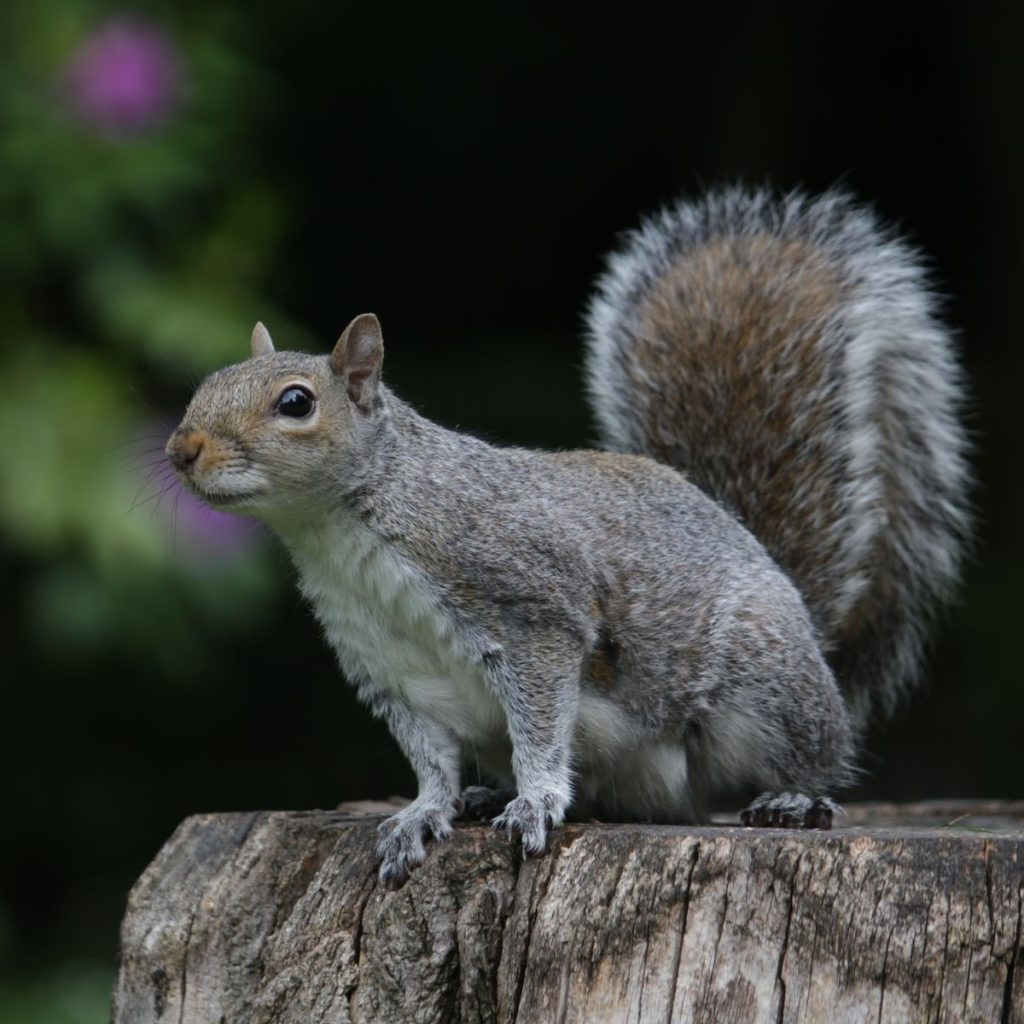
There are 2 species of squirrels found in the UK, and it’s important to know the difference. Native red squirrels are reddish brown to orange in colour, and 19 to 23 cm in body length with a 15 to 20 cm bushy tail. Red squirrels also have distinctive tufts of fur on their ears. Red squirrels are native to the UK and a protected species.
Invasive grey squirrels are slightly larger at 23 to 30 cm in body length with a tail length of 19 to 25 cm, and have grey to light brown fur. They don’t have tufted ears, but look stronger and more muscular than red squirrels. Because grey squirrels are an invasive, non-native species, they are not protected by UK law, and it is illegal to release a captured grey squirrel or to keep it in captivity without a license. As such, you need to ensure grey squirrels are humanely dispatched so they don’t endure unnecessary suffering. Flytech can humanely and legally remove grey squirrels from properties across Northern Ireland.
Key Features Of Squirrels
- Furry mammals
- Two pairs of incisors at the front of the mouth that never stop growing
- Grey squirrels are grey in colour, while red squirrels are reddish brown
- Grey squirrels have small, rounded ears, while red squirrels have tufted ears
- Both species have bushy tails that often sit flat against their backs
Ants
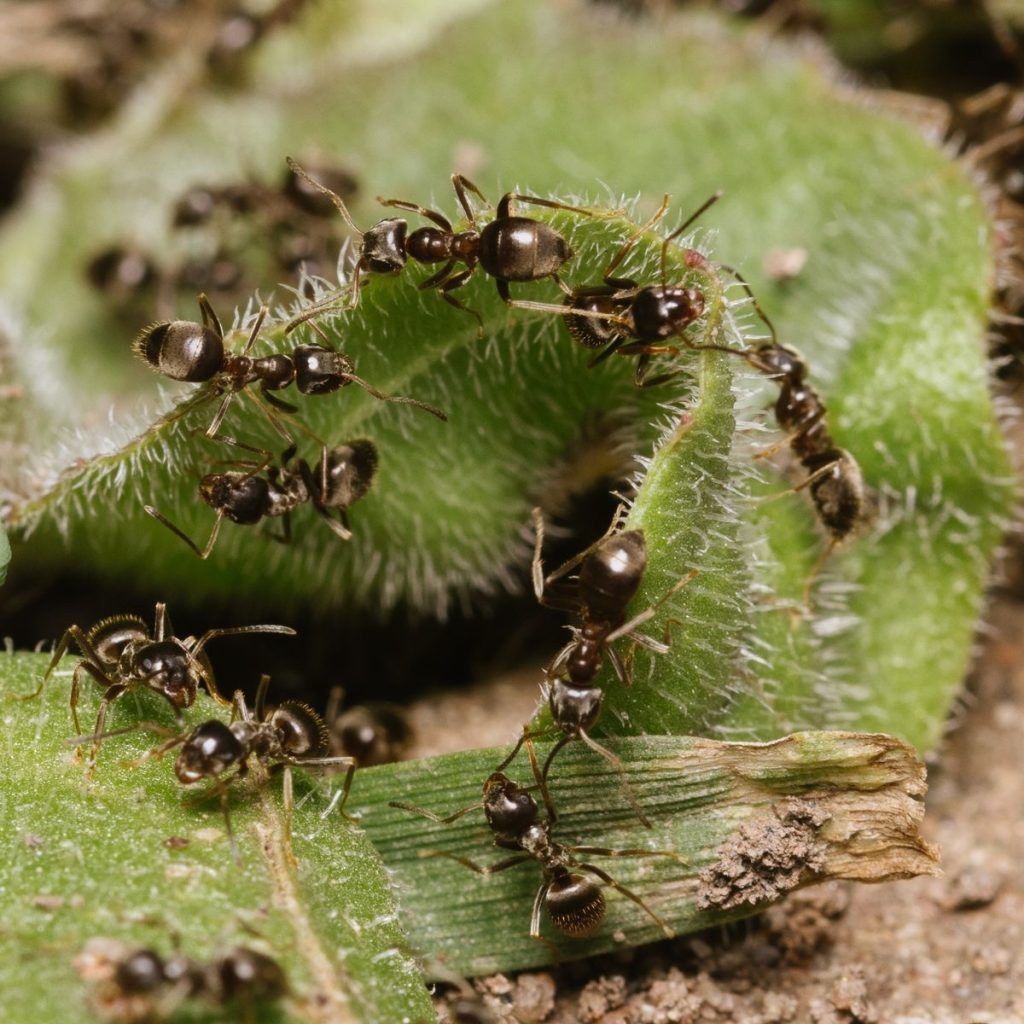
There are around 60 ant species found in the UK, the most common of which is the black ant. Black ants are around 3-5mm in length and black in colour, with a tight ‘waist’ and a large lower abdomen. In the summer, sexually mature male and female black ants grow wings and fly to mate, on an event that is often known as ‘flying ant day’.
Ants are usually seen marching in a trail throughout your property, and you may also see an ant nest, which looks like a pile of earth with a small hole in it, in your garden or on the pavement near your property. If you notice signs of ant activity, then you can book ant control to get rid of them and reduce the chances of food contamination in your home or business premises.
Key Features Of Ants
- Small insects of around 3 to 10 mm in length depending on species
- Often wingless except in summer when sexually mature adults gain wings and perform the mating ritual
- Black or reddish brown in colour depending on the species
- Rounded lower abdomen with a synched ‘waist’ and rounded head
- 6 legs (3 on each side) and 2 antennae on either side of the head
Bed Bugs
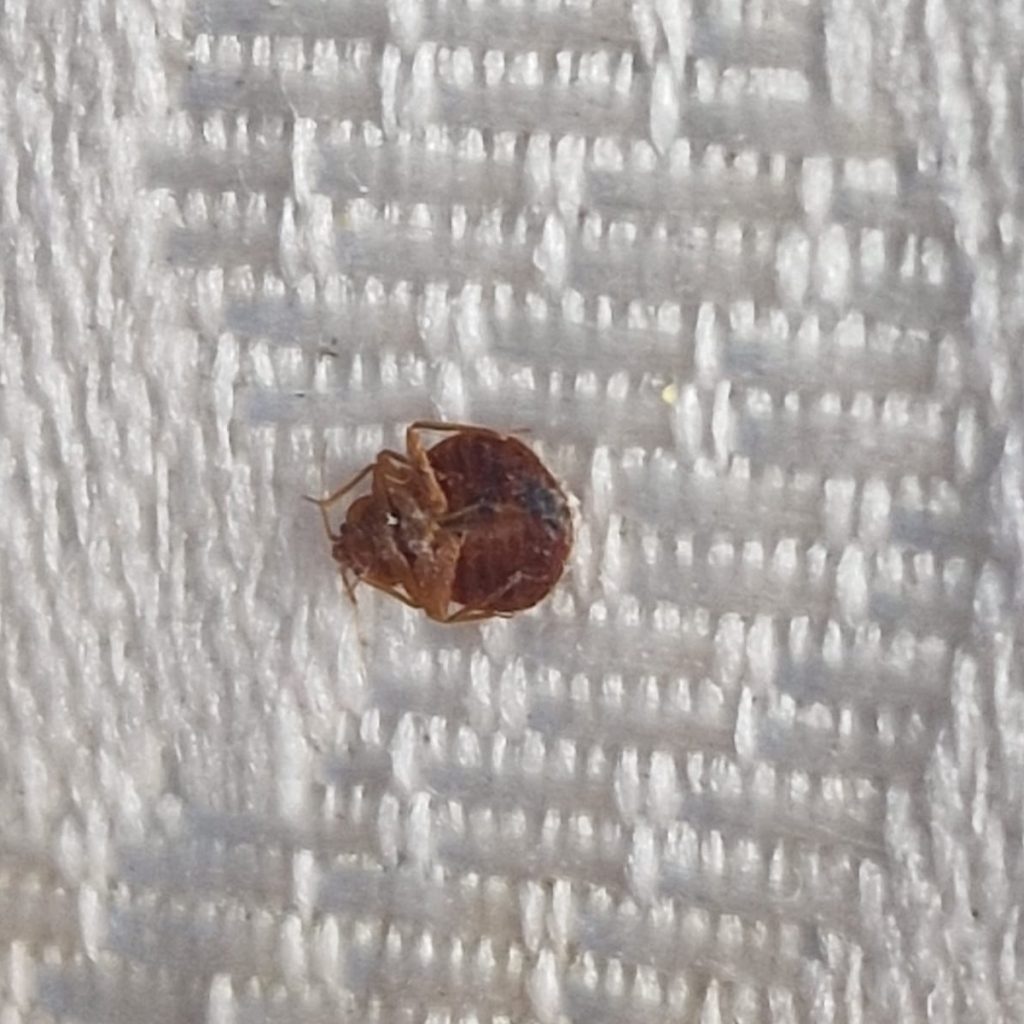
Bed bugs are minute parasites that bite humans and can cause itchy, red bumps on your skin. Because bed bugs are just 4 to 7 mm in length, they are hard to see with the naked eye, but you may notice them in clusters around mattress seams or in soft furnishings.
If you notice other signs of bed bugs, such as tiny white eggs, a musty smell or blood spots on your bed linen, then you should book professional bed bug treatment to get rid of these irritating insects, which can cause severe distress and even symptoms similar to PTSD.
Key Features Of Bed Bugs
- Crawling insects
- Adult bed bugs are usually just 4 to 7 mm in length
- Bed bugs have flat, oval-shaped bodies
- They are reddish brown in colour after a blood meal
- 6 legs (3 on each side) and 2 antennae on either side of the head
Fleas
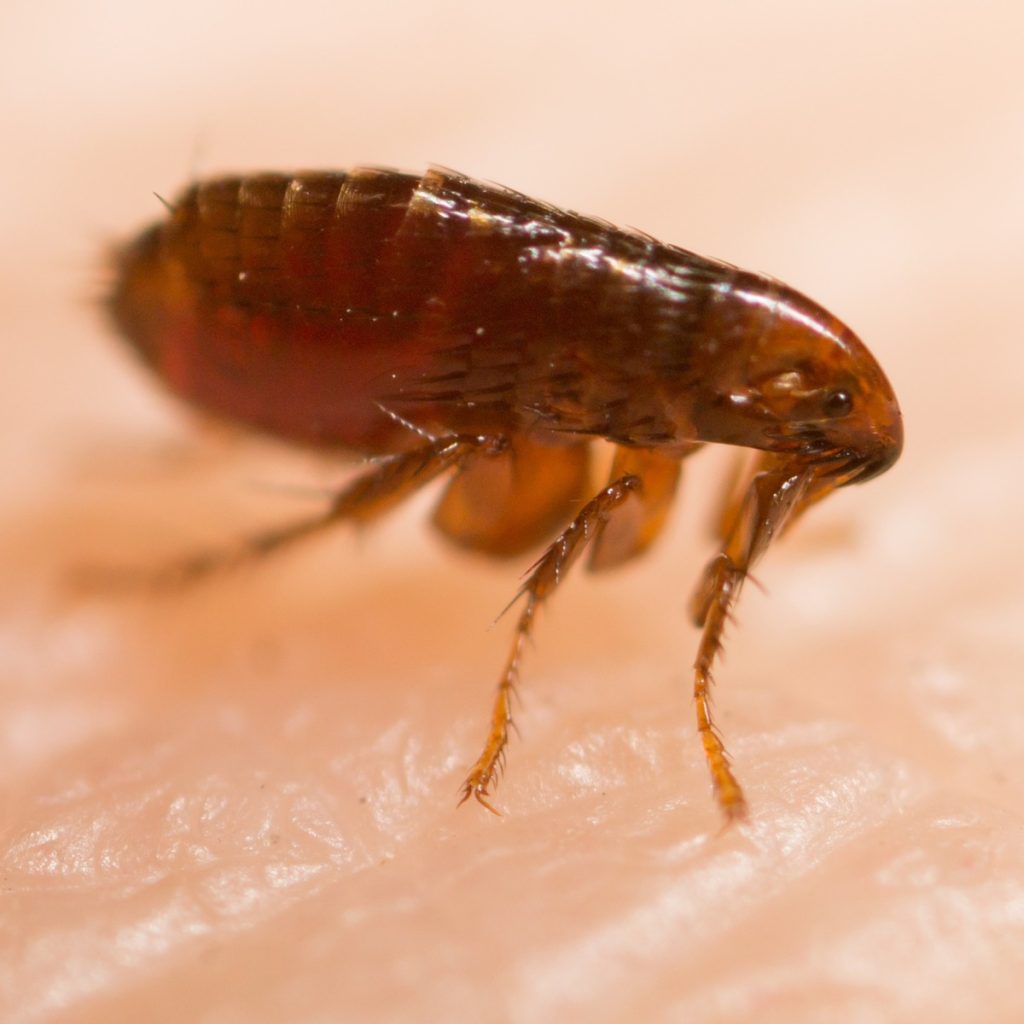
Another parasitic pest, fleas are often confused with bed bugs, but most fleas are much smaller, at around 1 to 3 mm in length. There are several species of fleas found in the UK, including human fleas, cat fleas, dog fleas and bird fleas, but they are all so small that they are indistinguishable to the naked eye.
While each species is named after its preferred host animal, fleas will bite other animals, including humans and pets, in search of a blood meal. Even households without pets can get a flea infestation, as fleas can travel on infested items or clothing, so if you think you have a flea problem then book flea control to deal with it quickly.
Key Features Of Fleas
- Crawling insects
- Adult fleas are usually just 1 to 3 mm in length
- To the naked eye fleas look like tiny, reddish brown specks
- 6 legs (3 on each side) and 2 antennae that are tucked into the side of their heads
- They have strong hind legs
- Fleas are thinner than bed bugs
Cockroaches
The most common cockroach species in the UK are German and Oriental cockroaches, but brown-banded and American cockroaches have also been sighted. Cockroaches are often found in humid areas with easy access to a food source, such as kitchens, bathrooms and utility rooms.
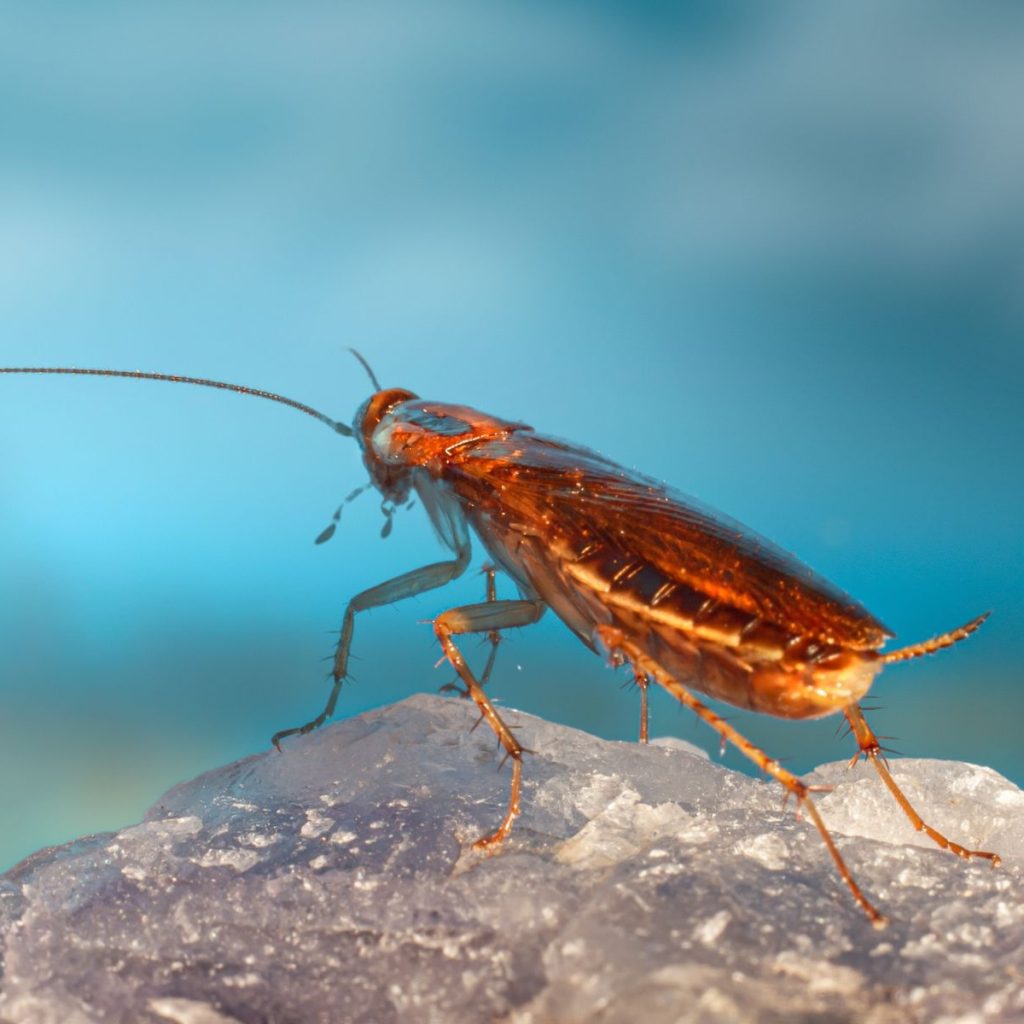
German cockroaches are the slightly smaller species, at 10 to 15 mm in length, while Oriental cockroaches are 20 to 24 mm in length. Oriental cockroaches are also hardier and more likely to be found outside. Whatever species you’re facing, fast cockroach control will stop roaches from causing distress and contaminating food.
Key Features Of Cockroaches
- German cockroaches are 10 to 15 mm in length while Oriental cockroaches are 20 to 24 mm in length
- Both Oriental and German cockroaches have wings on their backs but don’t fly
- 6 legs (3 on each side) and 2 antennae on either side of the head
- German cockroaches are a lighter brown with a thinner body
- Oriental cockroaches are darker brown with a rounder body
Flies
While there are around 7000 fly species in the UK, only a few of them are pests and most won’t be seen by humans. House flies, fruit flies, cluster flies and drain flies are common household insects, while crane flies, horseflies and deer flies are often seen outside.
Some fly species, such as horse and deer flies, can bite humans, which can be painful. Indoor fly species can be irritating and, in the case of drain flies, indicate an issue with your drainage system. Flies eat decaying organic matter, so they often land on faeces and rotting food, which means they spread bacteria that could cause contaminate human or pet food. As such, if you notice a large number of flies, consider professional fly control.
Key Features Of Flies
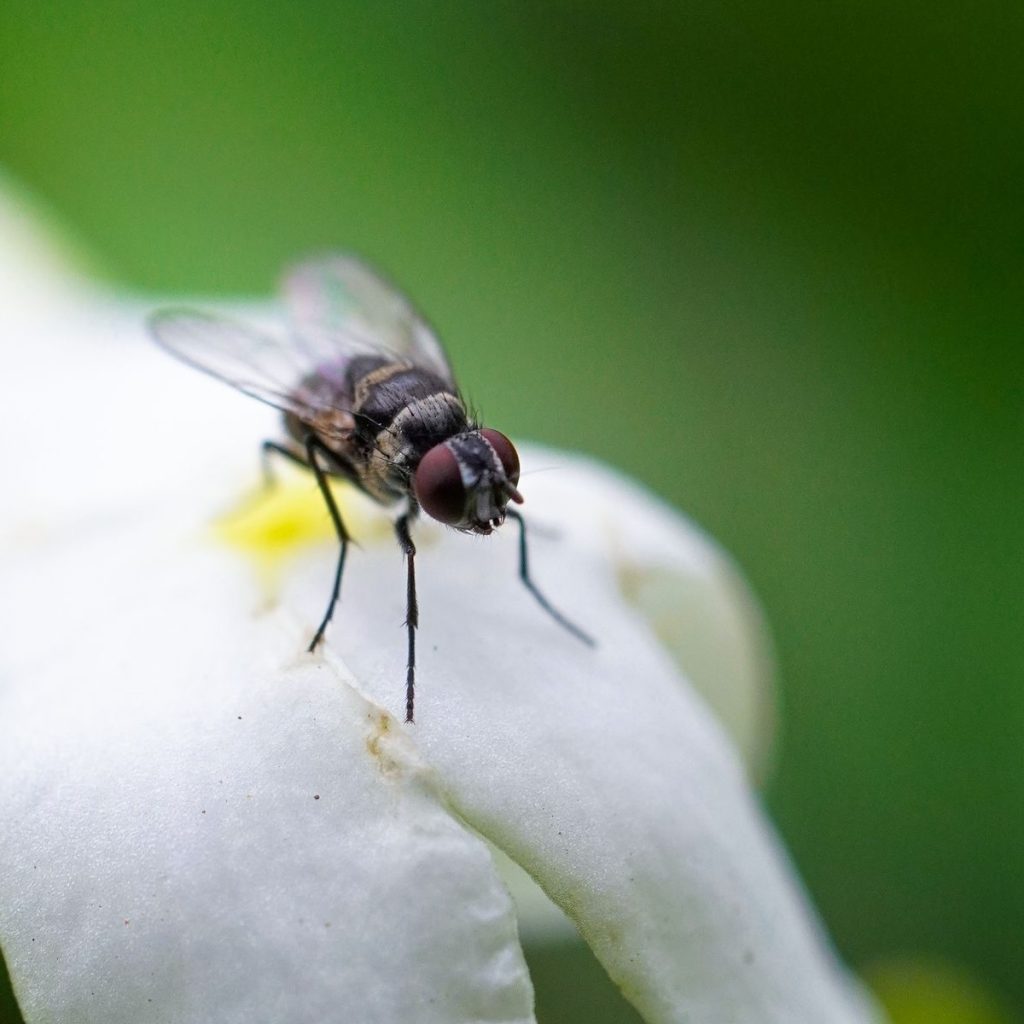
- Dark brown or black flying insects
- Sometimes have metallic bodies or eyes depending on the species
- Usually around 5 to 8 mm in length depending on the species
- Small, clear wings
- 6 legs (3 on each side) and 2 antennae on either side of the head
Moths
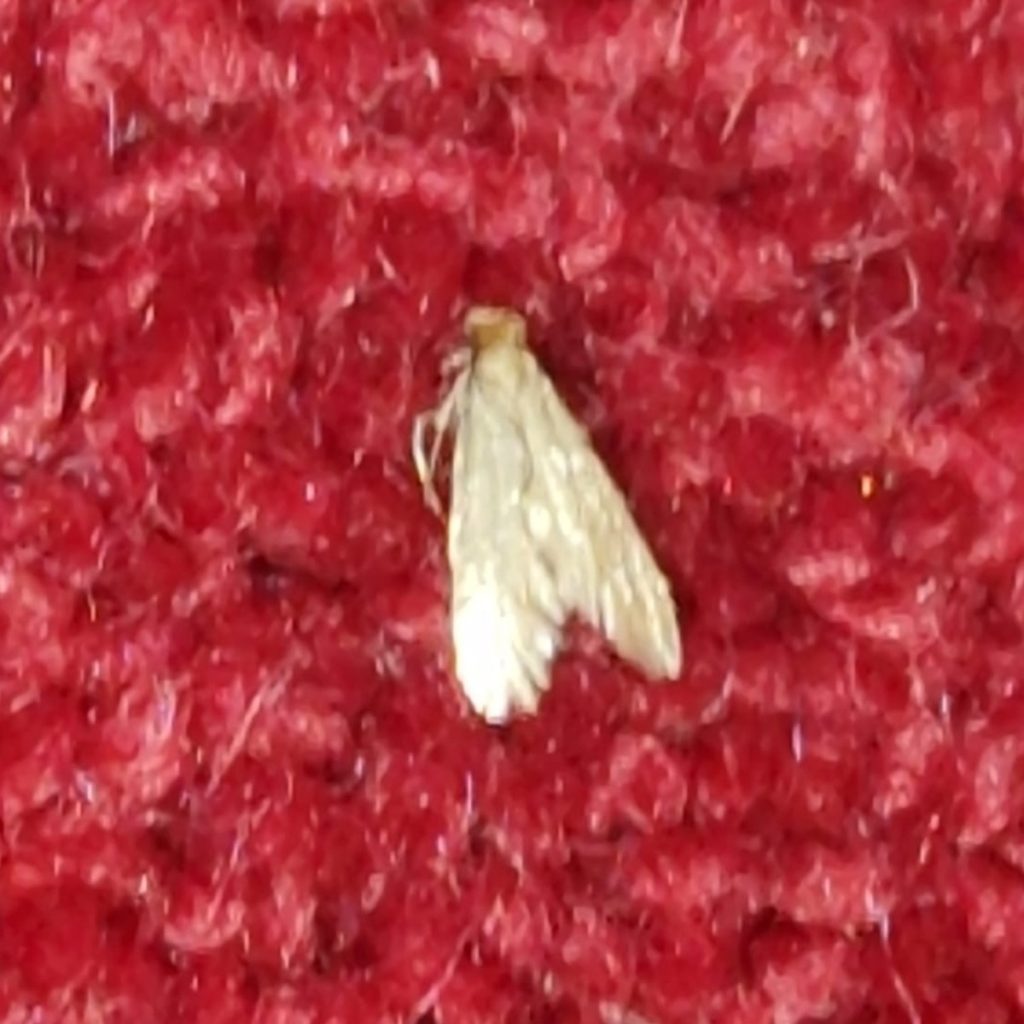
While the UK is home to over 2500 different moth species, there are very few that are actually classed as pests. Textile moths, such as the common clothes moth, also known as the carpet moth, and the case-bearing clothes moth, can eat through natural fibres including wool, silk, velvet, leather, cotton and others. Indian meal moths, also known as pantry moths, eat dried foods such as rice, flour, sugar and others, and can contaminate food.
Common clothes moths are usually light in colour, while pantry moths have pale cream and dark brown stripes on their wings. While the adult population is the most noticable, it is the moth larvae that are the most destructive, so if you notice bare patches in carpets, holes in clothing or moth eggs in food packaging, you need effective moth control.
Key Features Of Moths
- Flying insects
- Common clothes moths are pale yellow, cream or golden in colour
- Indian meal moths have pale cream and dark brown stripes across their wings
- 6 legs (3 on each side) and 2 antennae on either side of the head which can be feathered or furry in appearance
Bees
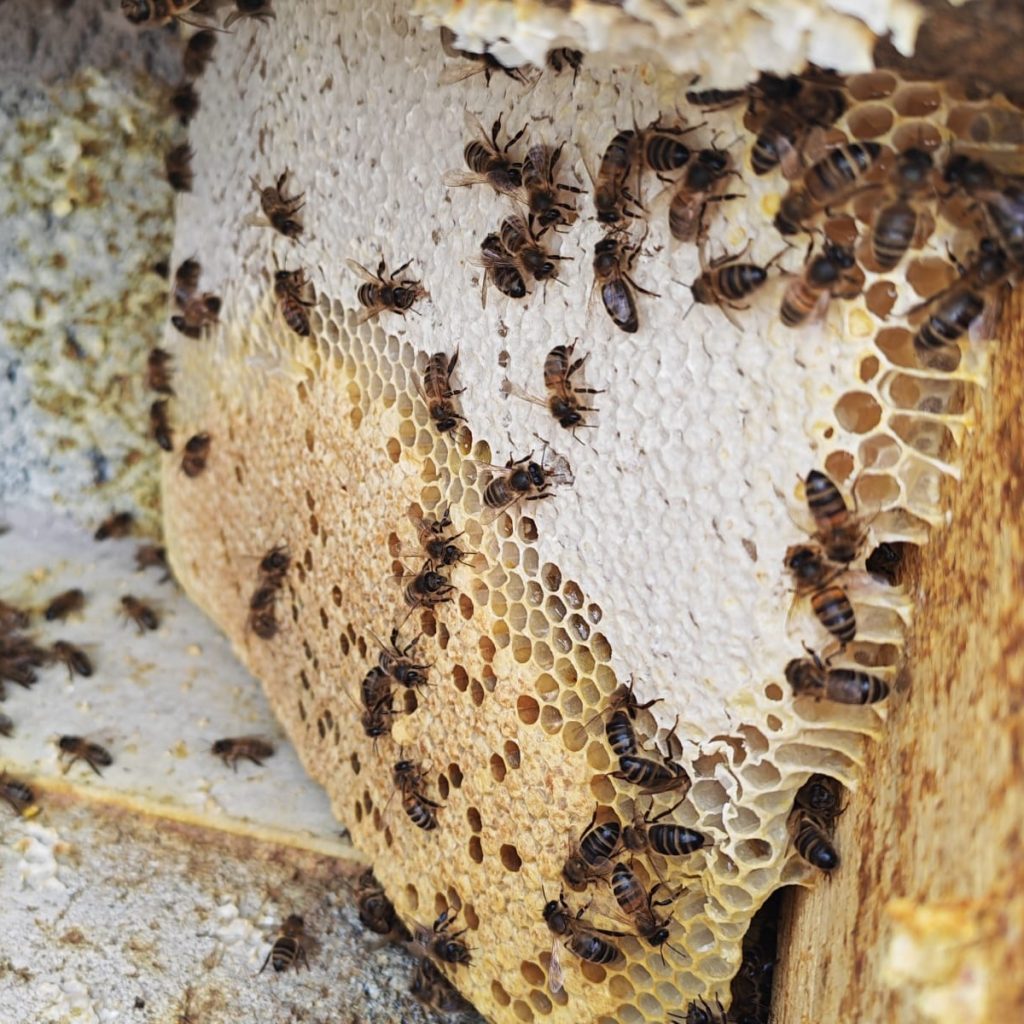
Bees are a common sight throughout the summer months, and they are often confused with wasps. There are over 250 bee species in the UK, but most are solitary bees that don’t usually cause issues for humans. The social bee species in the UK are honey bees, which are often confused for wasps, and bumblebees.
Bumblebees are usually rounder and furrier than wasps, so they are relatively identifiable. Honey bees have the distinctive waist of a wasp, but are usually rounder, and more golden in colour, as opposed to the yellow of a wasp. Honey bees are also covered in small hairs, whereas wasps have a sleek appearance.
Before you book bee removal, it pays to check the nest to see if it’s made from wax, which would indicate bees, or if it appears to be made from papier-mâché, which would make it a wasp nest.
Key Features Of Bees
- Flying insects
- Light yellow to reddish brown in colour with black or greyish stripes depending on the species
- Rounded, furry bodies
- Nests made from wax with hexagonal cells visible
Wasps
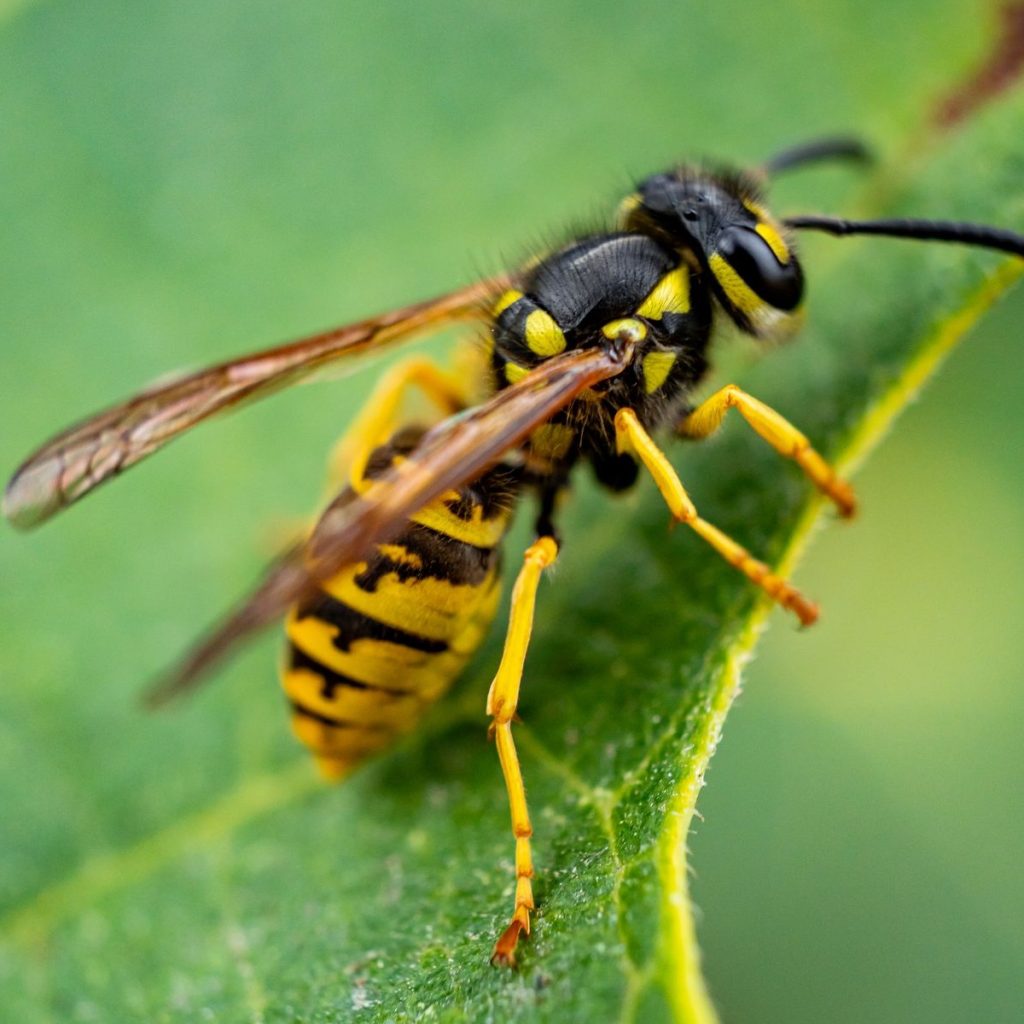
There are over 9000 wasp species found in the UK, but most of them are solitary wasps that don’t cause issues for humans. Social wasps, including the common wasp, German wasp and European hornet, all build large nests made from chewed wood pulp. These nests often look like they’re made from papier-mâché, and usually have a shell around the outside, with hexagonal cells sometimes visible.
While hornets are a type of wasp, they are slightly bigger and can have incredibly painful stings. There are two hornet species found in the UK, and while European hornets are a native species, but Asian hornets are highly invasive. Asian hornets are often known as yellow-legged hornets, because of their distinctive yellow legs. They are also slightly smaller than European hornets, with a mostly dark body, an orange fourth segment on their abdomen. If you notice an Asian hornet, then it is important that you report it to the government, as this invasive species can have a detrimental effect on local insect populations.
If you’re unsure of the species you’re dealing with, Flytech has extensive experience in wasp nest removal, and can help identify the species and find the right treatment option to get rid of the nest.
Key Features Of Wasps
- Flying insects
- Black and Bright yellow or reddish stripes, depending on the species
- Sleek bodies with a defined ‘waist’ in the middle
- Nests made from chewed paper that are usually grey or light brown in colour
How To Deal With A Pest Infestation
Whether you can identify the pest species you’re dealing with or not, if you notice signs of property damage from nuisance pests then you need professional pest control services.
Flytech is a leading pest control company based in Northern Ireland and covering the entire country, so we can provide fast pest control services for all common pests, as well as guidance and support for other types of nuisance wildlife, birds, rodents or insects.
Pest infestations can cause significant property damage and pose health risks to you, your family, customers and the general public.
That’s why it’s important that you are proactive. As soon as you notice any signs of pest activity, contact us on 07955 008274 to book your pest control visit and get expert advice, treatment and pest prevention.