
 by Hannah
How To Get Rid Of Wasps
Wasps are a common issue throughout the UK, especially between early spring and late summer, when they are most active.
During this time, wasps often swarm around near their nests, and these stinging insects can cause distress and painful stings that may lead to an allergic reaction in some people.
As flying insects, wasps can quickly travel, but they are most dangerous when they build nests inside your home, garden or commercial premises.
If this happens, then the worker wasps will protect the nest and the queen wasp inside, which means they will become more aggressive and a greater risk.
At Flytech Pest Control, we have extensive experience carrying out wasp nest removal across Belfast, Lisburn, Antrim, Newtownards, Bangor, Carrickfergus, Newtownabbey, and throughout Northern Ireland. We also offer bee removal and can deal with hornets, a larger type of wasp.
As a result of our extensive expertise, we have the skills needed to get rid of wasps and other flying insects. Keep reading to learn more about removing wasps safely and effectively.
Signs Of A Wasp Infestation
There are over 9000 different species of wasps found in the UK, but only around 10 of them are social wasp that build nests. The most prevalent species are common wasps, German wasps and European hornets.
Whichever species of wasps you’re facing, proactivity is crucial. Some signs of wasp activity include:
- Buzzing Noises: Wasps make a consistent buzzing sound, so if you hear this, even inside wall cavities and other tight spaces, this could be a sign of wasps.
- Wasp Sightings: If you see wasps entering and leaving the same area of your property regularly, then this could indicate that there is a wasp nest nearby. Most wasp species have yellow and black stripes, sometimes with reddish abdomens. They have synched ‘waists’ in the middle, unlike many bee species.
- Active Wasp Nests: Wasp nests are commonly found in dry and warm locations, so you may come across an active wasp nest when you go up into your loft, garage or spare bedroom. Nests can start small, approximately the size of a golf ball, so they may be hard to spot initially. However, as the colony grows, the nest will grow to accommodate more worker wasps. Wasps are made from chewed paper and wood products, meaning that wasps will gnaw through plasterboard and wooden beams to create the nest exterior. Unfortunately, this could cause structural damage to your property if the nest goes undetected for a long time.
- Empty Wasp Nests: Wasps only use a nest once, so if you have a wasp colony in resident, then you might find empty nests, and they will usually build new nests nearby. So, if you find old nests, the chances are there is an active one nearby. Even inactive wasp nests can cause issues, as they can be taken over by other pest species.
The Importance Of Professional Wasp Treatment
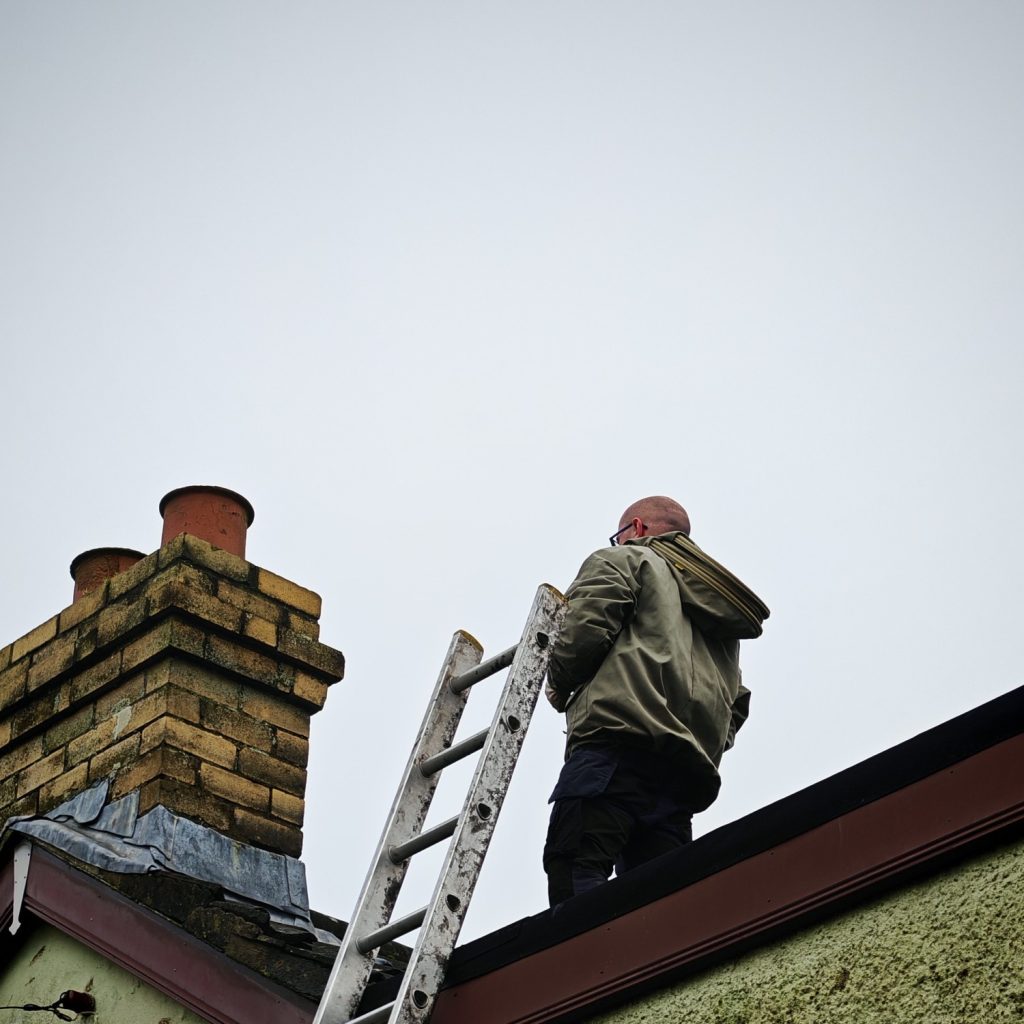
As soon as you notice a wasp nest on your property, you need to book wasp nest removal from an experienced local company.
While you might think you can remove the nest yourself, this could cause serious danger to you, those around you and your property.
The main issue is that wasp stings can be painful and lead to skin infections or even allergic reactions. Wasps sting when they’re frightened or their nest is disturbed, and unlike bees wasps can sting multiple times without dying.
Also, wasps often build their nests high up, in areas such as lofts and rafters. If you don’t have the right safety equipment and personal protective clothing, you could hurt yourself.
While wasp nests are relatively light, being made from chewed wood pulp, they can still cause structural damage, especially if the wasps used wood from beams to build their nests. As such, working with skilled professionals will ensure the nest is safely removed and doesn’t cause further property damage or structural issues.
How To Prevent Future Wasp Problems
Wasps are small flying insects, meaning preventing them can be tough, especially from gardens and outdoor spaces. Some simple tips include:
- Eliminate Potential Food Sources: The best solution is to reduce potential food sources by making sure you remove dropped fruit from beneath fruit trees, and harvest any vegetables before they start to rot. Also, wasps like sweet food, so make sure if you take drinks and treats out to enjoy in your garden that you clear away plates and cups quickly. Learn more about the wasp diet in our guide: What Do Wasps Eat?
- Plant Natural Wasp Repellants: While this isn’t guaranteed to work, some strongly scented plants can deter wasps. Some wasp repellant plants include citronella grass, mint and sage, and other strong smelling plants.
- Keep Your Space Tidy: Regularly tidying garden sheds, garages and other quiet, raised areas, such as lofts, should help you to check for signs of wasps and get professional wasp nest removal while a nest is still small, if necessary. This will reduce the damage wasps can do to your property. Wasps are often found in attics, often after they’ve been in residence for several weeks, meaning their nests are harder to remove and you may require a full loft clearance to get rid of all debris.
Book Professional Wasp Nest Removal
If you notice a wasp nest on your property, or see a large swarm of insects, then you need professional pest control.
Working with Flytech means you get fast wasp nest treatment and complete disposal of the nest, dead insects and all other debris from the infestation.
Alongside wasps, we can also remove all insect pests including ants, cockroaches, moths, bed bugs and fleas, as well as rodents including rats and mice. For commercial sites, we can also provide ongoing commercial pest control contracts and bird proofing solutions.
So, whatever you need, we can help. Our team cover Belfast, Lisburn and Northern Ireland, so contact us today on 07955 008274 to book a visit from our local pest experts.