
 by Hannah
Why Pest Control Is Essential For Food Safety In Commercial Kitchens
For businesses across Northern Ireland that deal with food, health and safety is crucial to ensure compliance and protect customers from potential health issues, such as food poisoning.
At Flytech Pest Control, we provide our commercial pest control services to food service businesses across Belfast, Lisburn, Antrim, Newtownards, Bangor, Carrickfergus, Castlereagh, Dundonald, Dunmurry, Ballyclare, Newtownabbey, and throughout Northern Ireland.
As such, we have a strong understanding of commercial kitchen health and safety legislation and how a pest problem could cause issues.
Whether you manage a restaurant, cafe, canteen, bar or anywhere else that handles, stores, or prepares food, keep reading this guide to commercial kitchen laws in Northern Ireland and how regular pest control visits can help ensure compliance.
Why Is Health And Safety So Important In Commercial Kitchens?
Commercial kitchens are high-risk sites that are held to high standards legally to protect staff and customers from contamination, trips and other hazards.
Site managers have a statutory duty to protect customers by ensuring that there is clear labelling to avoid potential allergens, prevent foodborne diseases and avoid cross contamination.
As well as customers, food companies have a duty of care to protect the welfare of staff by ensuring that they are kept safe from trips, injuries, and potential fire risks. Employers also need to ensure gas safety around cooking equipment such as stoves and other gas appliances, providing full training and support to team members.
Alongside the legal requirement to protect employees and the general public, food businesses also need to maintain high standards to prevent reputational damage.
Common Pests Found In Commercial Kitchens
To comply with health and safety legislation, commercial kitchens need to prevent pests from gaining access. Vermin can not only contaminate food, but also cause other issues, such as fire hazards by chewing through live wires and structural damage.
Some of the common pests found in commercial kitchens include:
- Rodents: Rodents, including rats and mice, can contaminate food and spread diseases including Salmonellosis, Hantavirus, Leptospirosis and more. Additionally, rodents can chew through live electrical wires and cause a fire risk, and may also cause significant distress to employees.
- Flies: For many food businesses, particularly those that are open to the public and keep doors and windows open, such as takeaways, pubs and cafes, flies can be a nuisance. Flies feed on organic matter, such as faeces and rotting food, so they can contaminate fresh food and spread bacteria in commercial kitchens and food preparation areas.
- Ants: A common pest problem, particularly during spring and summer when the weather is warm, ants can contaminate food and are also highly visible to customers, as they often walk in long lines.
- Cockroaches: In food storage and preparation areas, cockroaches often shelter seeking warmth, moisture and food. They can contaminate food items and cause significant distress to staff and customers.
- Wasps: Another pest commonly seen during the summer, wasps might fly in and out, but aren’t really an issue unless you find a wasp nest built near to or in your commercial kitchen. Wasps have painful stings and can be a health risk, particularly if staff have allergies. They may also contaminate food products, particularly uncovered food items.
- Stored Product Insects: Stored product insects is the collective term for a range of small beetles, weevils, moths, and mites that infest and feed on dried foods. These often tiny insects can ruin stock and require significant cleaning to remove completely, causing disruption and cost increases for food businesses.
Health And Safety Legislation NI For Commercial Kitchens
In Northern Ireland there are many health and safety regulations for commercial kitchens and food preparation areas to protect staff and public health. While we haven’t listed fire safety regulations and gas safety regulations, we’ve outlined some of the main regulations regarding food and pest control below.
The Health and Safety at Work (Northern Ireland) Order 1978
The Health and Safety at Work (Northern Ireland) Order 1978 is the main health and safety law in Northern Ireland, and it outlines the duties of employers and managers of commercial premises to protect staff members.
Regarding food safety, the Order covers the safe handling, storage, and transport of substances and articles, which includes food and cleaning chemicals. It also mandates that staff have access to break spaces that are safe, clean and fit for the storage and consumption of food. Additionally, staff need to have a safe space where their food is free from contamination, by pests or through other means. The law is enforced by the Health and Safety Executive for Northern Ireland (HSENI) and local district councils via their Environmental Health Officers.
The Management of Health and Safety at Work Regulations (Northern Ireland) 2000
Expanding on the 1978 Order, the Management of Health and Safety at Work Regulations (Northern Ireland) 2000 focuses on preventative measures to avoid potential health and safety issues on commercial sites.
As part of this law, companies my carry out risk assessments to check for potential issues. In food premises, this includes checking food appliances and potential trip hazards, as well as ensuring there are no potential pest risks.
The Food Safety (Northern Ireland) Order 1991
The core legislative framework for food safety laws in Northern Ireland, the Food Safety (Northern Ireland) Order 1991 protects consumers from contaminated food by making selling any food that is considered unfit for human consumption a criminal offence.
As part of this key legislation, food companies have a legal duty to provide accurate labelling and do everything to ensure food hygiene, which includes protecting their premises from pests.
The Food Hygiene Regulations (Northern Ireland) 2006
Building on the 1991 Order, the Food Hygiene Regulations (Northern Ireland) 2006 updates the current laws to ensure the Northern Irish food industry meets European Union hygiene standards. The regulations aim to ensure food safety and hygiene throughout the supply chain.
The regulations are enforced by the Food Standards Agency and local authorities to ensure food premises are fully hygienic and don’t cause a spread of bacteria or diseases. As part of this law, food businesses need to prevent cross contamination, ensure food is stored and transported at the correct temperatures and keeps pests away.
How To Ensure Compliance
To meet relevant safety standards and remain compliant over the years, as the regulations change, you need regular audits from experts.
As part of this, you should work with a professional pest control provider like Flytech. Our team offer commercial pest control for commercial kitchens and food service businesses, and can tailor our solutions to meet your specific needs.
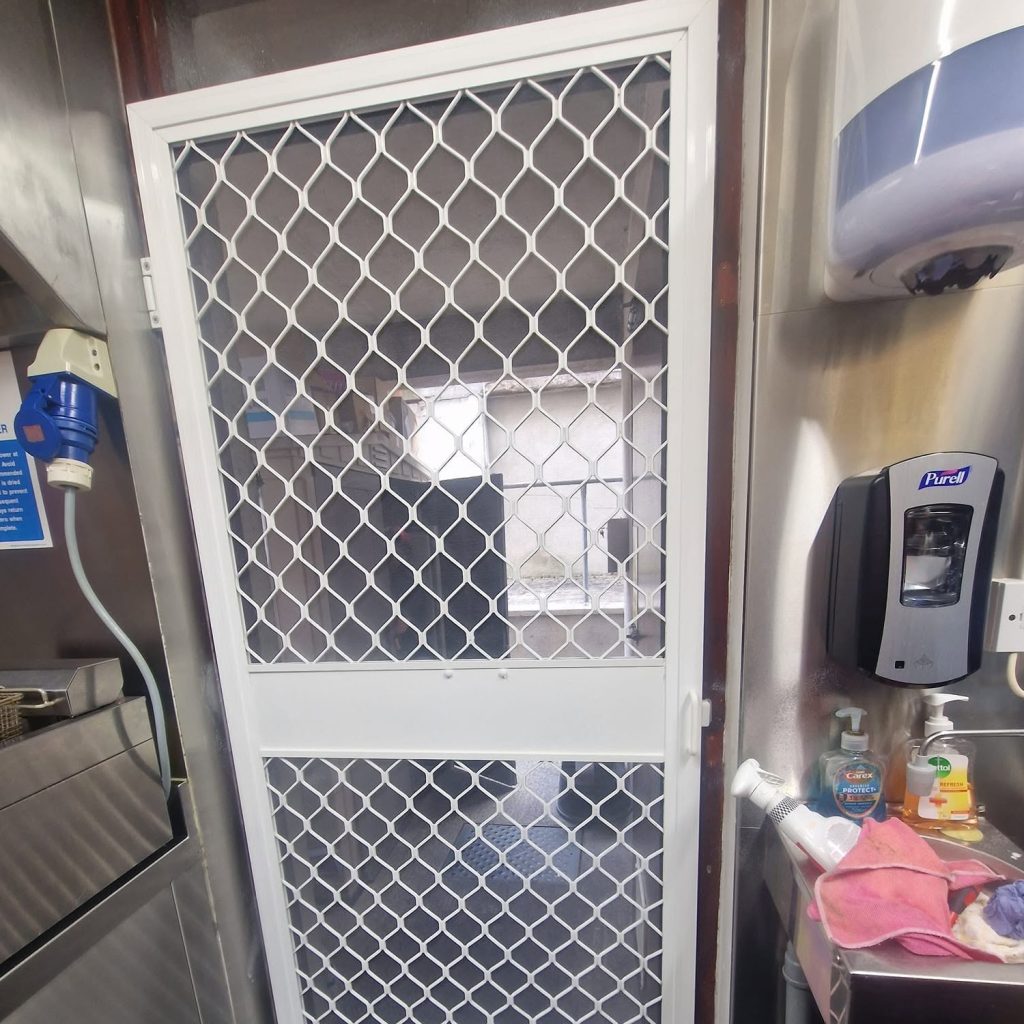
Alongside pest treatments and inspections, we can also provide pest proofing and disinfection, as well as specialist services such as commercial CCTV drain surveys to identify rat entry points and fly screen installation to protect your site against flying insects.
Whether you’ve seen signs of a pest infestation, or want to ensure you’re legally compliant, Flytech can provide a site survey and regular inspections.
To protect your food business from potential pest problems, contact us on 07955 008274 and a member of our friendly team will be happy to help.